
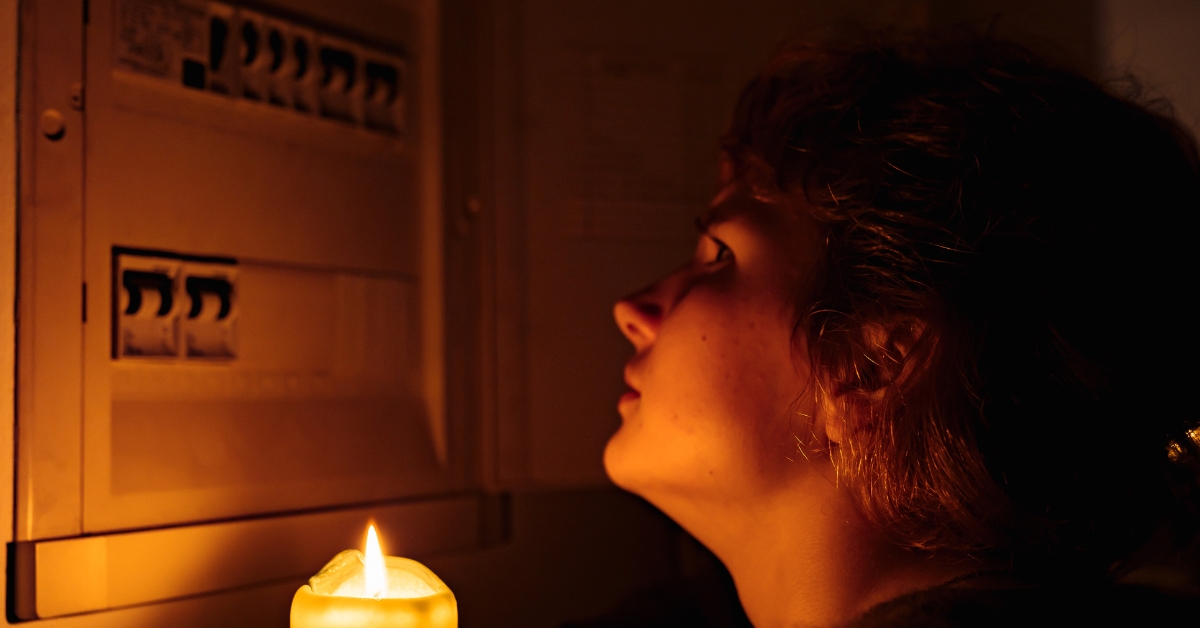
Power outages during Florida summers can happen during storms, high winds, or heavy demand on the electrical grid. When the power goes out, your air conditioner stops working right away, and indoor temperatures can rise quickly—especially in July through September when heat and humidity are at their highest.
The good news is that there are simple steps you can take to slow down the heat buildup and stay more comfortable until power is restored.
If your home becomes unsafe or extremely uncomfortable during an outage, don’t wait for things to get worse. Reach out for help online or call (904) 849-2656 for support.
First Priority: Slow Down Heat Buildup
When the AC is off, your main goal is to keep outside heat from entering your home.
Here’s what helps right away:
- Close all blinds, curtains, and shades
- Keep doors and windows shut as much as possible
- Stay in the lowest level of your home if you have multiple floors
- Turn off lights and electronics that create extra heat
Even small changes can help keep indoor temperatures from rising too fast.
Use Airflow the Smart Way
Even without AC, moving air can make your home feel more comfortable.
If you have fans or ventilation options, try these tips:
- Use battery-powered or rechargeable fans if available
- Open windows only if the outside air is cooler than the inside
- Create cross-breeze by opening windows on opposite sides of the home
- Sit near shaded or cooler areas of the house
Air movement doesn’t lower the temperature, but it helps your body feel cooler.
Stay Cool from the Inside Out
Your body plays a big role in how you feel during heat exposure. Staying hydrated and avoiding sources of extra heat are very important.
Simple steps include:
- Drink water regularly, even before you feel thirsty
- Avoid using ovens, stoves, or dryers if possible
- Wear loose, lightweight clothing
- Take cool (not cold) showers if needed
These habits help your body stay more comfortable while waiting for power to return.
Protect Your Home Appliances When Power Returns
When electricity comes back on, it’s important to restart things safely. Power surges and sudden system restarts can sometimes affect HVAC systems.
After power returns:
- Wait a few minutes before turning on your AC
- Set your thermostat to a moderate temperature first
- Check your air filter for dust buildup
- Listen for unusual noises when the system starts
If your cooling system doesn’t restart correctly, it may need professional attention.
Why Power Outages Can Affect HVAC Systems
Even though your AC is off during a blackout, the system can still be impacted when power returns.
Common issues include:
- Electrical surges affecting components
- Thermostat resets or malfunctions
- System strain from a sudden restart
- Reduced cooling efficiency after interruptions
That’s why it’s helpful to have your system checked if outages happen frequently.
Preparing Before the Next Outage
A little preparation can make a big difference when storms roll in.
Helpful steps include:
- Keep flashlights and battery-powered fans ready
- Store extra drinking water
- Know how to reset your thermostat
- Make sure your HVAC system is maintained before storm season
Routine care through trusted HVAC services in Yulee, FL can also help reduce unexpected issues during extreme weather.
When to Reach Out for Help
If your home stays too warm after power returns, or your AC system doesn’t turn back on properly, it may need inspection or repair.
Ed's Comfort Solutions helps homeowners across Yulee, FL with dependable HVAC support, including troubleshooting cooling systems after outages and storm-related issues.
You can contact the team online or call (904) 849-2656 for assistance.